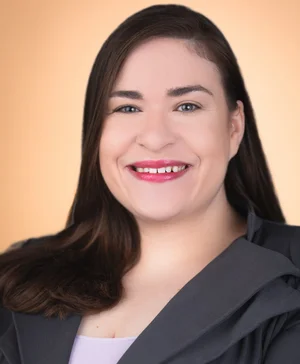
Access Begins Before You Arrive: The Legacy of Maayan Ziv
Imagine never being able to assume you'll be able to get inside.
Before meeting a friend for coffee. Before attending a concert. Before booking a flight. Before trying a new restaurant.
For many disabled people, these aren't occasional questions. They're part of everyday life. Will there be a step at the entrance? Will my wheelchair fit? Will there be an accessible washroom? Will I be able to participate?
Those questions are exactly why the work of disability advocates like Maayan Ziv matters.
Turning Lived Experience Into Change
Maayan Ziv is a disability advocate, entrepreneur, and founder of AccessNow, a platform that helps people discover and share accessibility information about places around the world. The idea behind AccessNow is simple: people deserve to know whether a space is accessible before they arrive.
For many disabled people, access often depends on information that others take for granted.
AccessNow helps remove some of that uncertainty by giving people the information they need to make informed decisions about where they go and how they participate in their communities.
What I also appreciate is that the app gives friends, family members, and allies an opportunity to share some of the responsibility. They can help plan accessible outings instead of leaving disabled people to research every detail themselves.
Accessibility shouldn't rest solely on the shoulders of disabled people. The more people who help identify barriers, the more people become part of creating the solution.
Building Accessibility Into Communities
Maayan is a force to be reckoned with, and her work extends far beyond technology. Through AccessFest, she has helped create spaces where disability, accessibility, innovation, and inclusion are at the centre of the conversation.
What I appreciate most about AccessFest is that it reflects an important shift in how we think about accessibility. Too often, accessibility is treated as something that's added after a barrier is identified. But true inclusion starts much earlier. It happens when disabled people are expected, welcomed, and included from the very beginning.
Challenging Barriers in Air Travel
Maayan has also become a prominent voice in conversations about accessible air travel. After her custom power wheelchair was severely damaged during an Air Canada flight while travelling to an accessibility conference, she spoke publicly about the impact these incidents have on disabled travellers. For many people, a wheelchair looks like a piece of equipment. For a wheelchair user, it can mean freedom. Independence. Participation.
As Maayan has said, a wheelchair is an extension of the body. When a custom mobility device is damaged, the impact goes far beyond inconvenience.
Depending on the repairs required, replacement parts can take months—and sometimes close to a year—to obtain. That can mean months of increased pain. Months of reduced independence. Months of adapting instead of thriving.
And just to clear up a common misconception: "custom" doesn't mean cosmetic upgrades, like a custom paint job or gold-plated spokes. It means the wheelchair has been individually fitted to support someone's posture, skin integrity, mobility, comfort, and overall health.
Using equipment that doesn't properly fit can contribute to pain, fatigue, pressure injuries, and other serious health complications.
Disability activist Engracia Figueroa's death after her custom wheelchair was damaged is a heartbreaking reminder that a wheelchair is far more than a piece of equipment. For many people, it's essential to their health, safety, and independence. Yet incidents like these are often framed as little more than an inconvenience.
For wheelchair users, they're anything but.
Maayan's advocacy helped bring national attention to a reality many disabled travellers already knew: accessibility barriers in air travel are not isolated incidents. They are symptoms of systems that were never designed with disabled people in mind.
Why This Work Matters
One of the things I appreciate most about Maayan's advocacy is that it challenges the idea that disabled people are the problem. Instead, it shines a light on the barriers that prevent people from fully participating in their communities.
In disability-affirmative therapy, we often talk about the difference between focusing on the person and focusing on the system. Maayan's work is a powerful reminder that accessibility doesn't happen by accident.
Someone notices a barrier. Someone questions it. Someone pushes for change. Little by little, barriers that once felt inevitable become barriers people expect to be removed. That's the power of disability advocacy.
And that's why the work of people like Maayan Ziv matters.
If you're looking for disability-affirmative therapy in BC, I provide virtual counselling for teens and adults with physical disabilities, chronic illness, medical trauma, and advocacy fatigue. Learn more about Disability-Affirmative Therapy