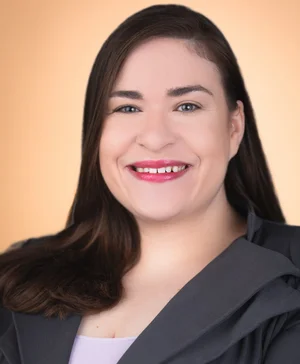
When Equality Looks Like Entitlement: The Legacy of Sophie Morgan
Equal access isn't entitlement. Somewhere along the way, we've started treating it as though it is.
Few people have challenged that idea more publicly than Sophie Morgan. For years, she's been asking questions many disabled people have been asking all along. Why should boarding a plane mean risking your wheelchair? Why should accessible travel depend on luck? Why should disabled people have to accept barriers that other passengers never have to think about?
Those questions have helped change the conversation about accessibility around the world. But they've also challenged something much bigger. The idea that asking for equal access somehow means asking for special treatment.
When Equality Looks Like Too Much
One of the things I admire most about Sophie's work is that she reminds us accessibility isn't about luxury. It's about equality. For many wheelchair users, flying isn't simply about getting from one place to another. It can mean handing over the very equipment that makes everyday life possible. Trusting strangers to move your body safely. Wondering whether your wheelchair will arrive damaged. Or arrive at all.
For many disabled travellers, the trip doesn't truly begin when the plane lands. It begins when they discover whether their independence survived the flight. Those aren't inconveniences. They're barriers.
Most passengers expect to arrive safely with their belongings intact. Wheelchair users expect exactly the same thing. The difference is that disabled people are sometimes told those expectations are unreasonable.
When Advocacy Is Mistaken for Entitlement
Through her Rights on Flights campaign, Sophie Morgan has helped bring international attention to the barriers disabled people continue to face when travelling by air. Alongside other disabled advocates, she has called for safer wheelchair handling, better staff training, stronger passenger protections, and aircraft that allow wheelchair users to travel with greater dignity and independence.
Like many disabled advocates, Sophie has also faced ableist abuse for speaking publicly about accessibility.
She's even been called an "entitled cripple."
That reaction says something important. When equal access has never been the norm, equality can look like entitlement. Not because disabled people are asking for more. But because they're asking for what should have been there all along. Asking to travel safely. To keep your wheelchair intact. To maintain your independence. Those aren't special privileges. They're things most travellers already expect.
Why Her Work Still Matters
One of the reasons I wanted to feature Sophie Morgan in this Disability Advocate Spotlight series is because her work challenges a question I hear far too often in therapy.
"Am I asking for too much?"
I don't think that question begins with the individual. It begins after years of adapting. Years of inaccessible systems. Years of hearing,
"That's just how it is." Years of wondering whether asking for what everyone else already has somehow makes you difficult. Eventually, many disabled people stop questioning the barrier. They start questioning themselves.
Sophie's advocacy offers a different perspective. Maybe the problem isn't that disabled people are asking for too much. Maybe they've simply been expected to accept too little.
The Legacy of Disability Advocacy
Sophie Morgan reminds us that accessibility isn't complete until disabled people can participate with the same safety, dignity, and independence as everyone else. She has challenged industries that accepted preventable barriers as inevitable. She has refused to mistake adaptation for accessibility. And she has reminded us that progress doesn't happen because disabled people quietly accept barriers.
It happens because someone decides those barriers are no longer acceptable.
Perhaps the problem isn't that disabled people are asking for too much. Perhaps we've simply become too comfortable expecting them to settle for less. Disabled people shouldn't have to apologize for expecting the same access everyone else already has.
That's the legacy Sophie Morgan is helping build.
And that's why her work continues to matter.
If you're looking for disability-affirmative therapy in BC, I provide virtual counselling for teens and adults with physical disabilities, chronic illness, medical trauma, and advocacy fatigue. Learn more about Disability-Affirmative Therapy