

Counselling & Health Advocacy Blog
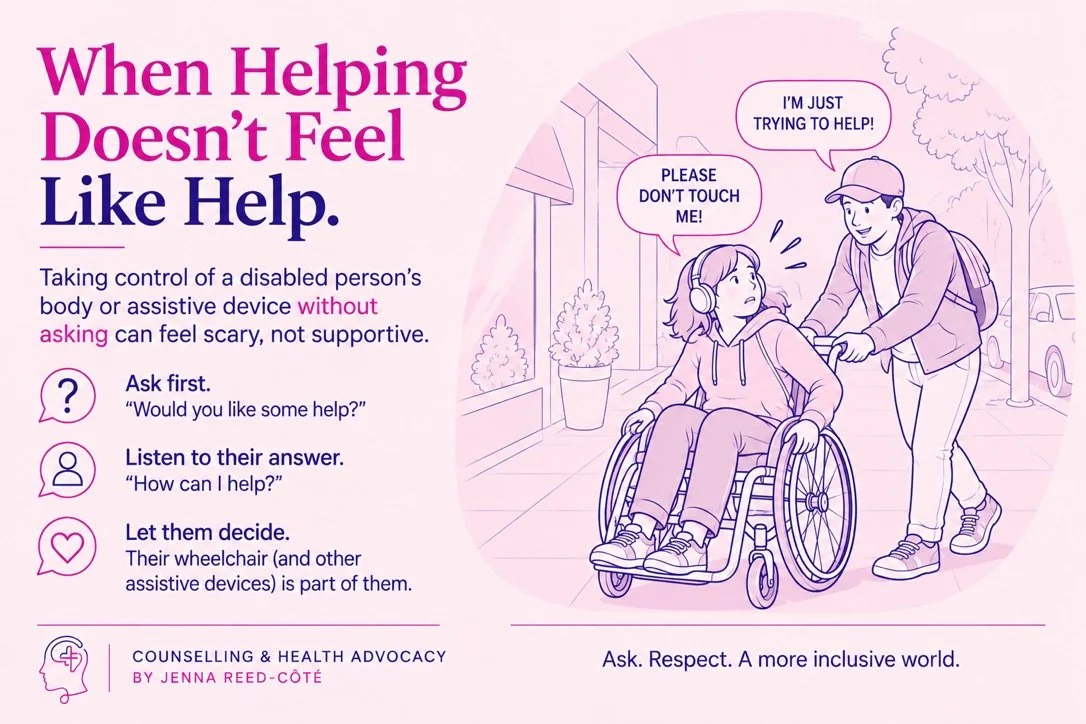
When Helping a Disabled Person Doesn't Feel Like Help
Help can stop feeling like help when someone takes control without asking. This blog explores disability, autonomy, unsolicited assistance, and why understanding the context behind a reaction matters.
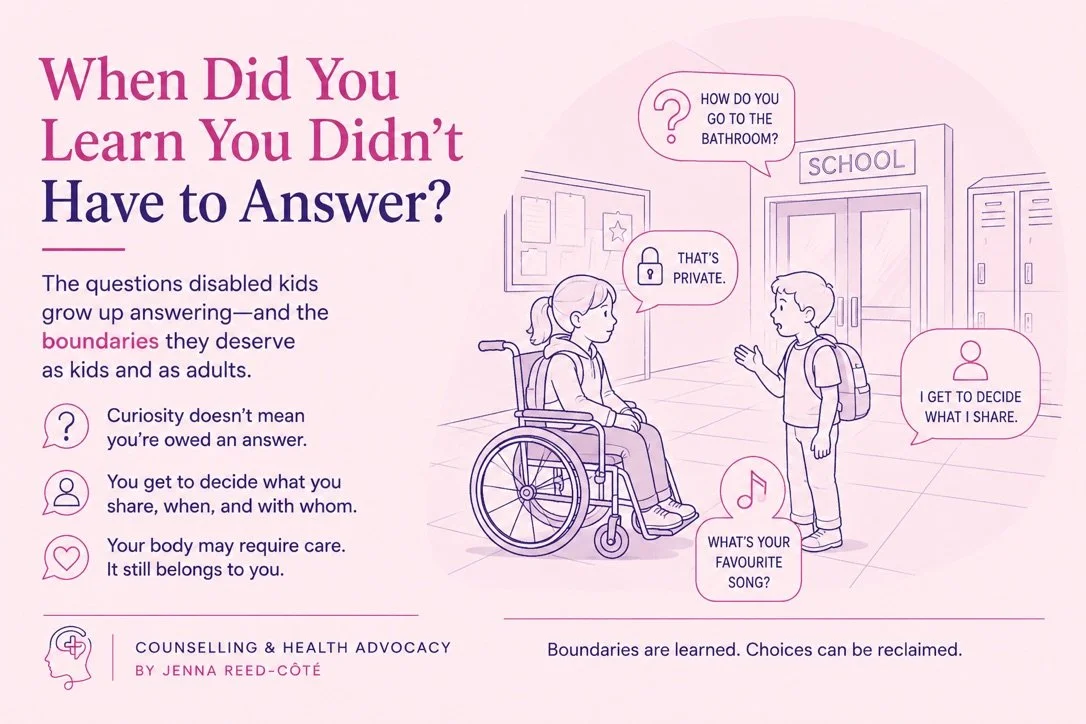
When Did You Learn You Didn't Have to Answer?
Disabled children may grow up answering personal questions about their bodies without realizing they don’t always have to. This blog explores how those early experiences can shape boundaries, privacy, and bodily autonomy into adulthood.
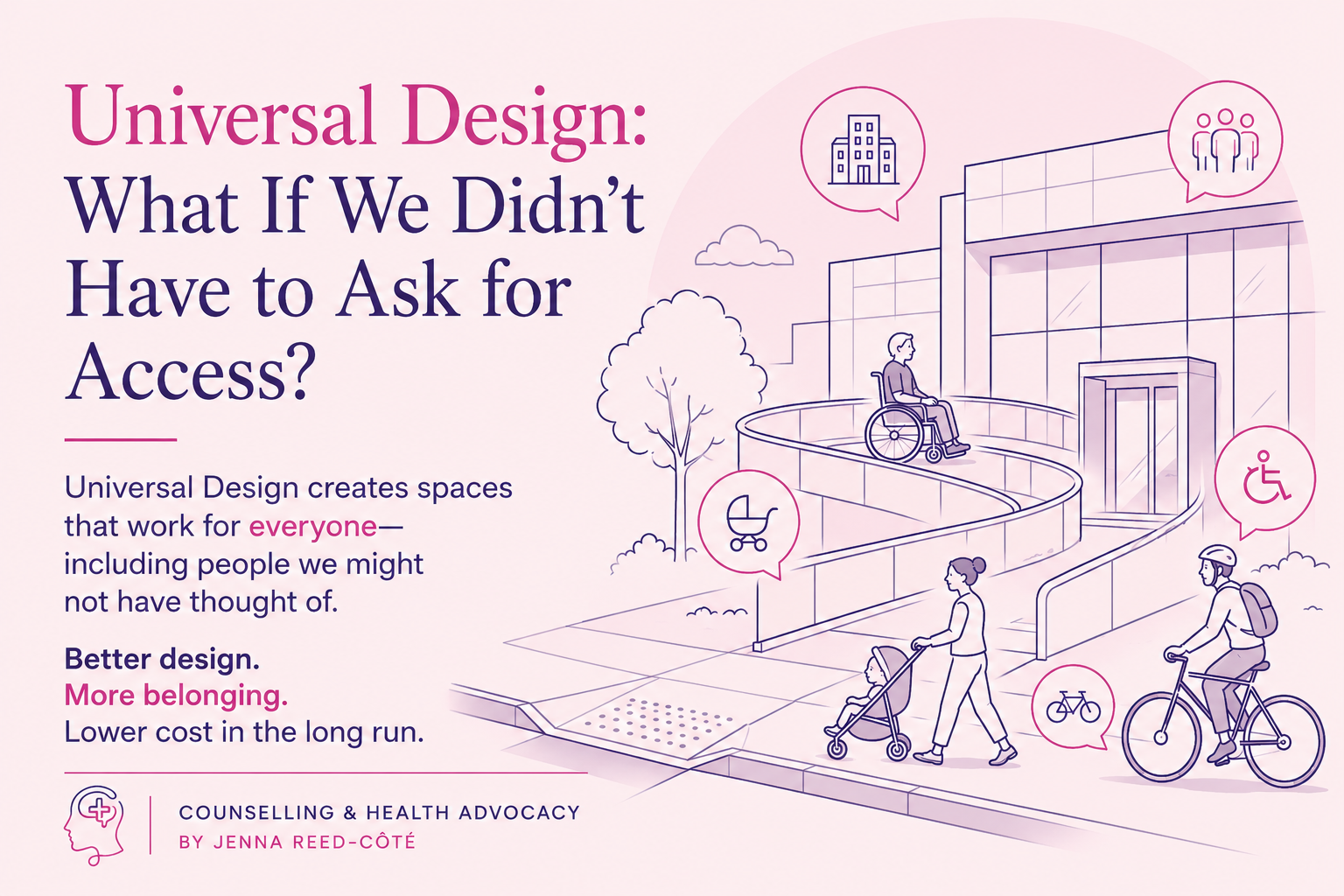
Universal Design: What If We Didn't Have to Ask for Access?
What if accessibility didn’t have to be added after the fact? Universal Design considers disabled people from the beginning—creating spaces that reduce barriers and allow more people to participate without having to ask for access first. Through a disability-affirmative therapy lens, it also raises an important question: How much are disabled people being asked to adapt to problems that better design could have prevented?
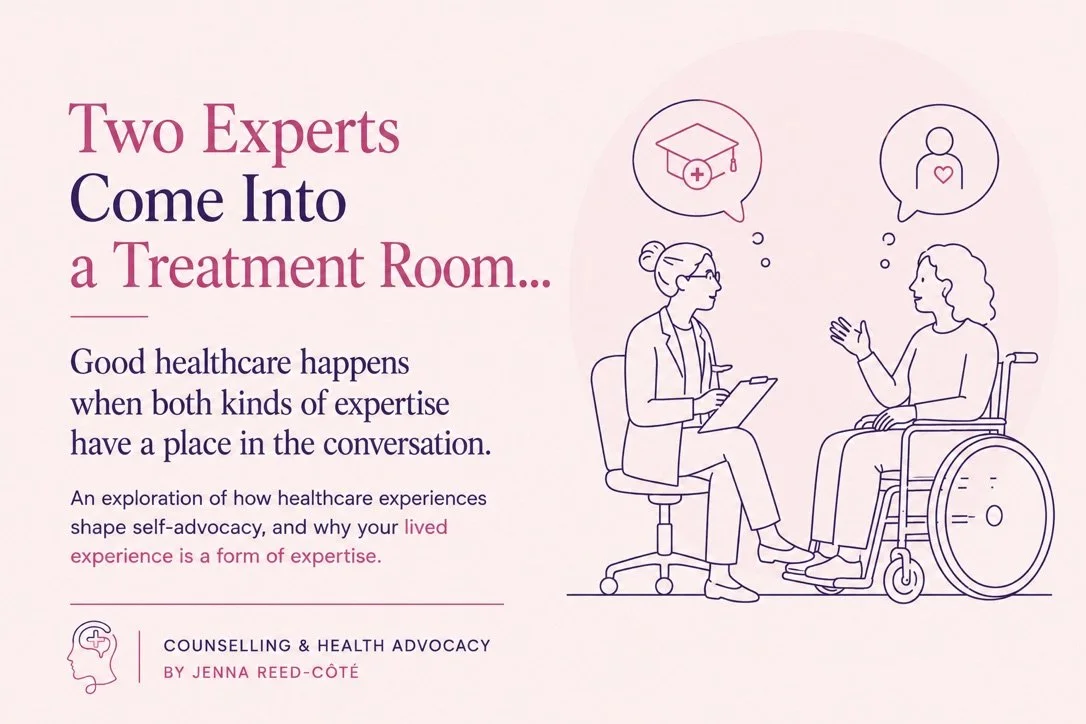
Two Experts Come Into a Treatment Room...
Nobody teaches us how to become patients. We learn through experience. This blog explores the hidden curriculum of navigating healthcare, why health advocacy can stop feeling safe, and why the best healthcare begins when clinical expertise and lived expertise are both respected.
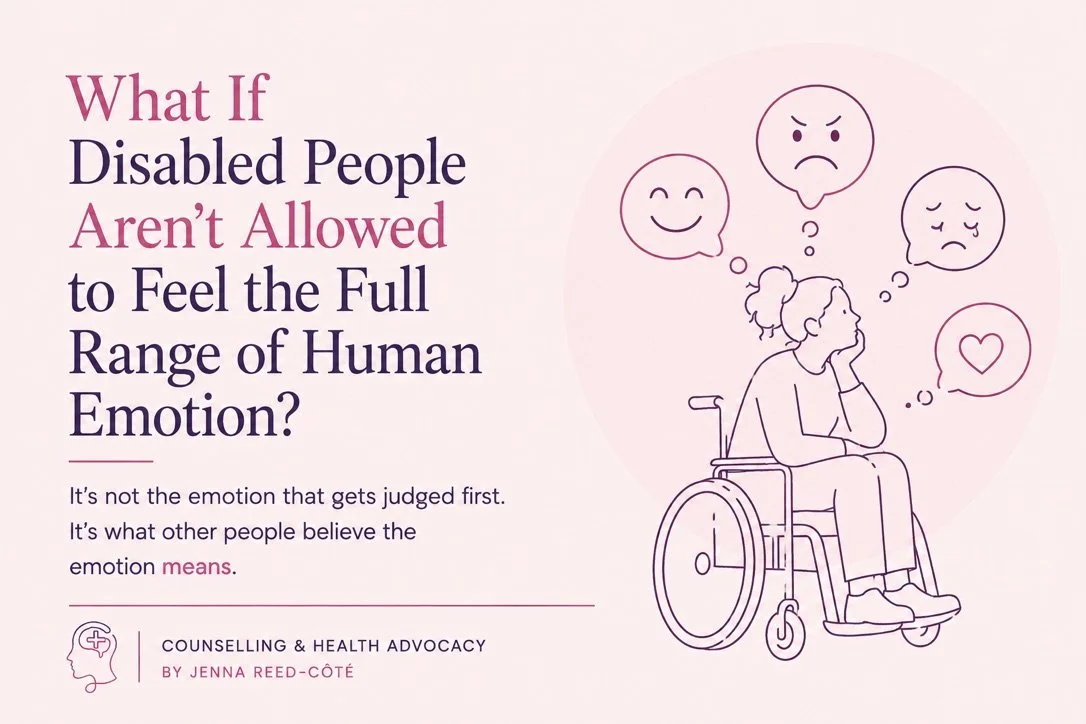
What If Disabled People Aren't Allowed to Feel the Full Range of Human Emotion?
Disabled people experience the same full range of human emotions as anyone else, yet those emotions are often misunderstood through the lens of ableism. This article explores how joy, gratitude, anger, and grief are interpreted differently—and how disability-affirmative therapy begins by asking not whether an emotion is "right," but what lived experiences make it understandable.
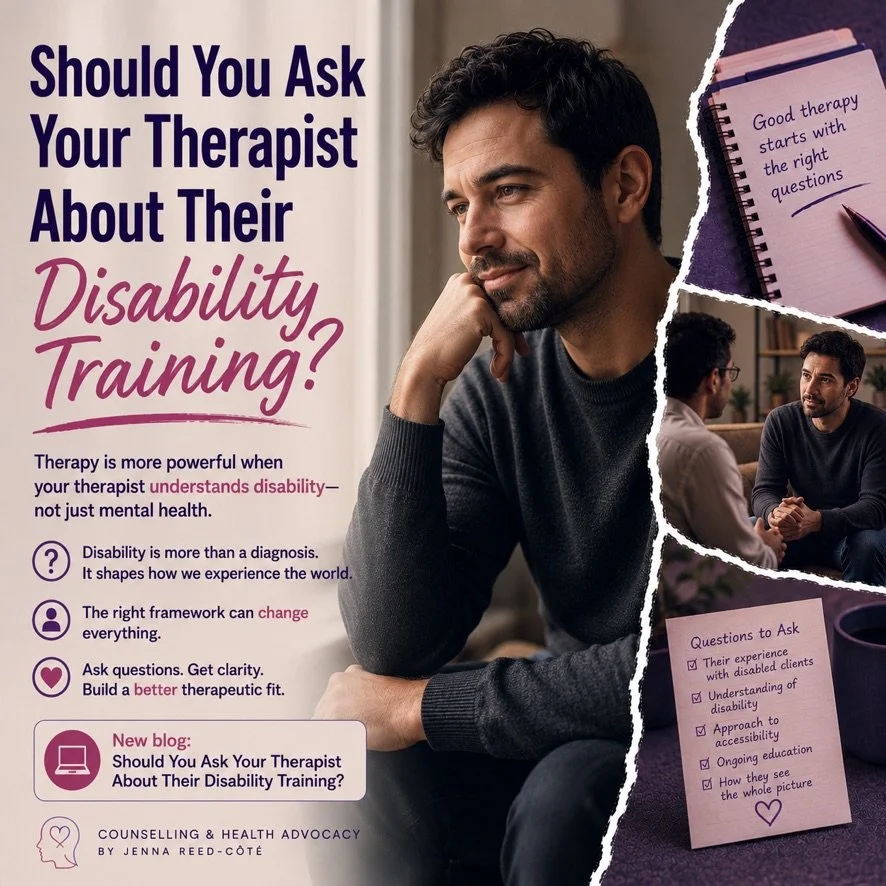
Should You Ask Your Therapist About Their Disability Training?
When I discovered disability-affirmative therapy, I assumed it would lower expectations. Instead, it changed the way I understood myself. Learn why a therapist's understanding of disability—and the framework they bring into the therapy room—can make a meaningful difference.
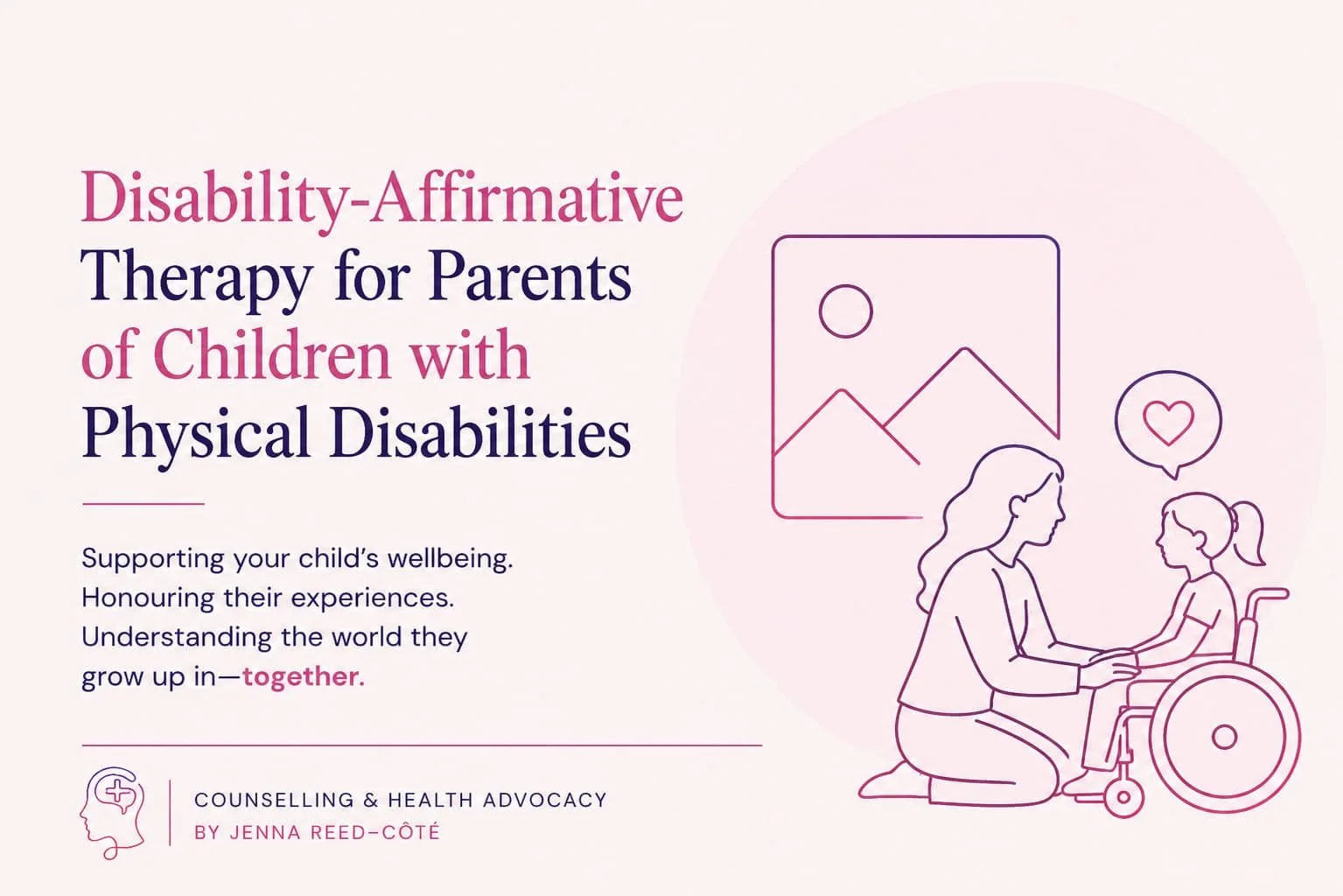
Disability-Affirmative Therapy for Parents of Children with Physical Disabilities
What if supporting your child means understanding more than their diagnosis? This blog explores how disability-affirmative therapy helps parents better understand the emotional experience of growing up with a physical disability.
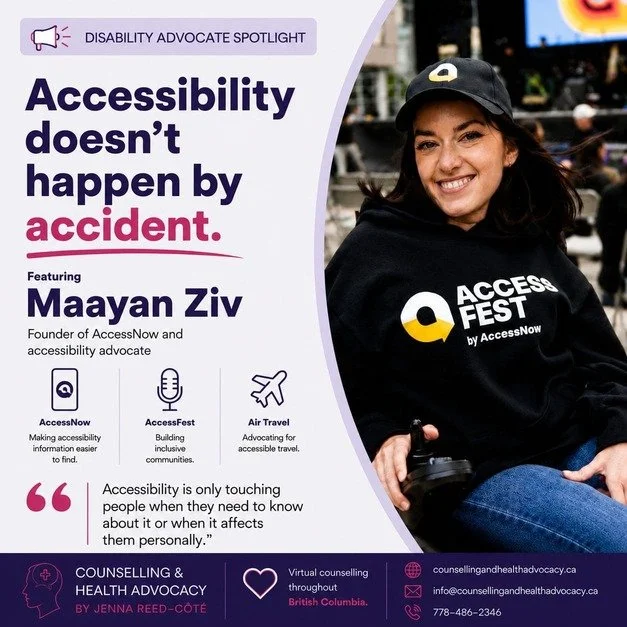
Access Begins Before You Arrive: The Legacy of Maayan Ziv
Accessibility doesn't begin at the door. It begins with knowing whether you can get through it. Discover how Maayan Ziv is transforming accessibility information—and why that changes everything.
I'm glad you're here.
Reaching out for support isn't always easy, especially if past experiences have left you feeling unheard or unsure whether therapy can help.
Whether you have a question, want to learn more about Disability-Affirmative Therapy, or are ready to book a consultation, you're welcome to reach out.
I'd be honoured to learn more about what brings you here and explore whether we're the right fit.
778-486-2346